Every Monday · 18:00-19:30
Monday Bootcamp
Murray BeAM Makerspace
Bring your expertise, question, or curiosity. E@C connects people, ideas, and technical work across UNC.
Research, code, design, prototype, fabricate, test, and learn alongside students across STEM.
R&D brings together students from engineering, applied math, biology, chemistry, computer science, data science, public health, and related STEM fields.
Bring what you know. Learn what you do not. Share what you discover.
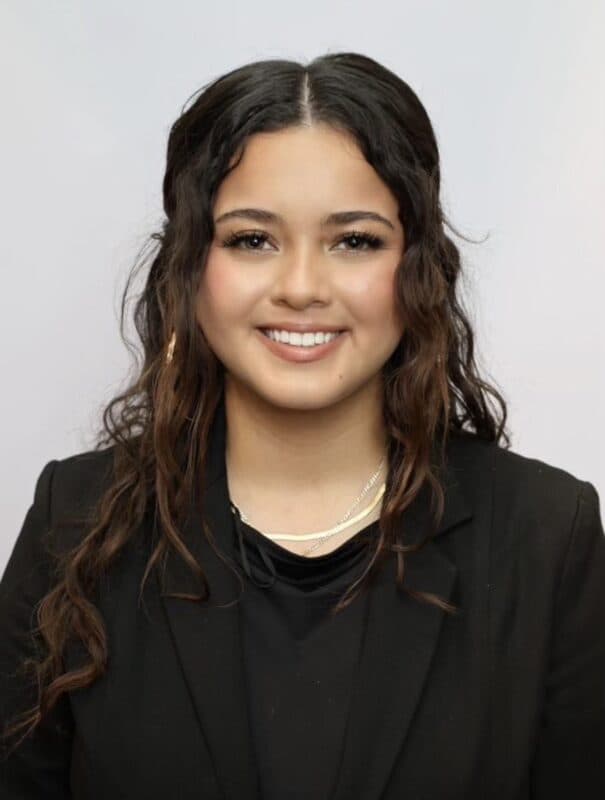
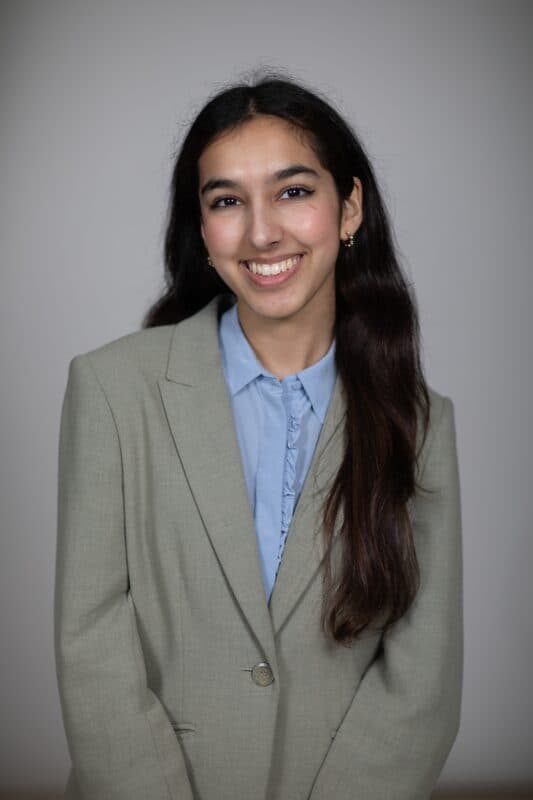
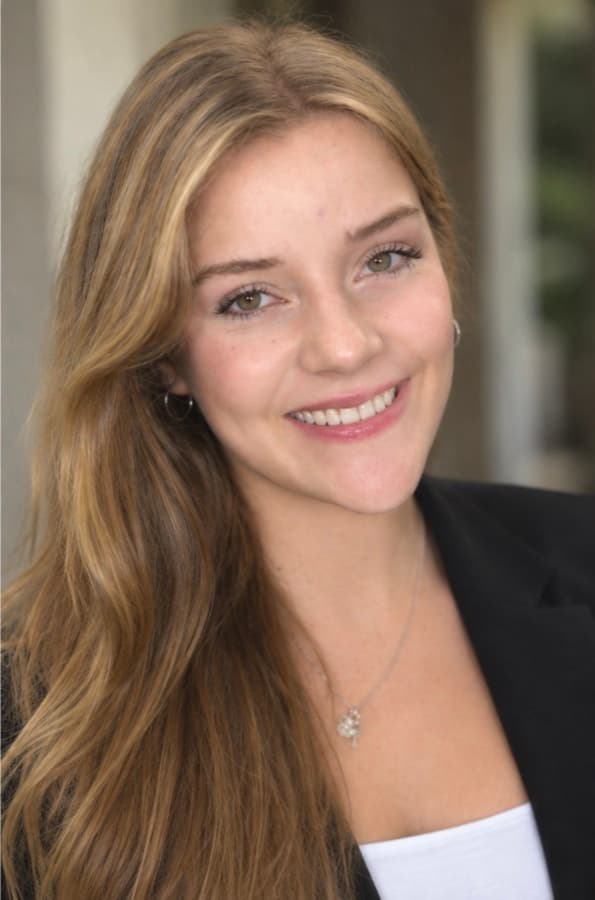
Run by , our Vice president of R&D team.
| Role | Description |
|---|---|
| Project Lead | Lead a project through research, planning, building, testing, goals, and coordination. |
| Technical Consultant | Contribute through research, design, coding, prototyping, building, testing, and problem solving. |
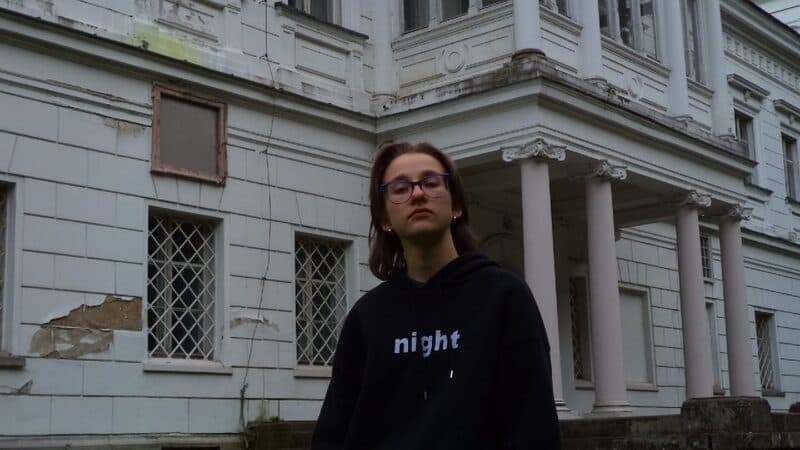
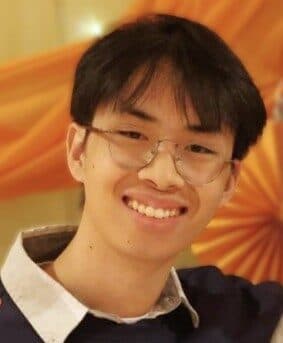
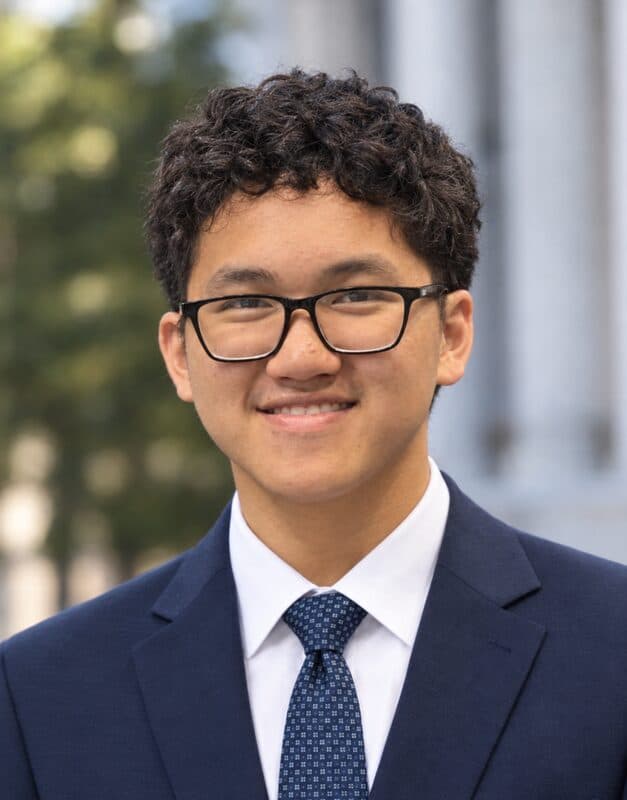
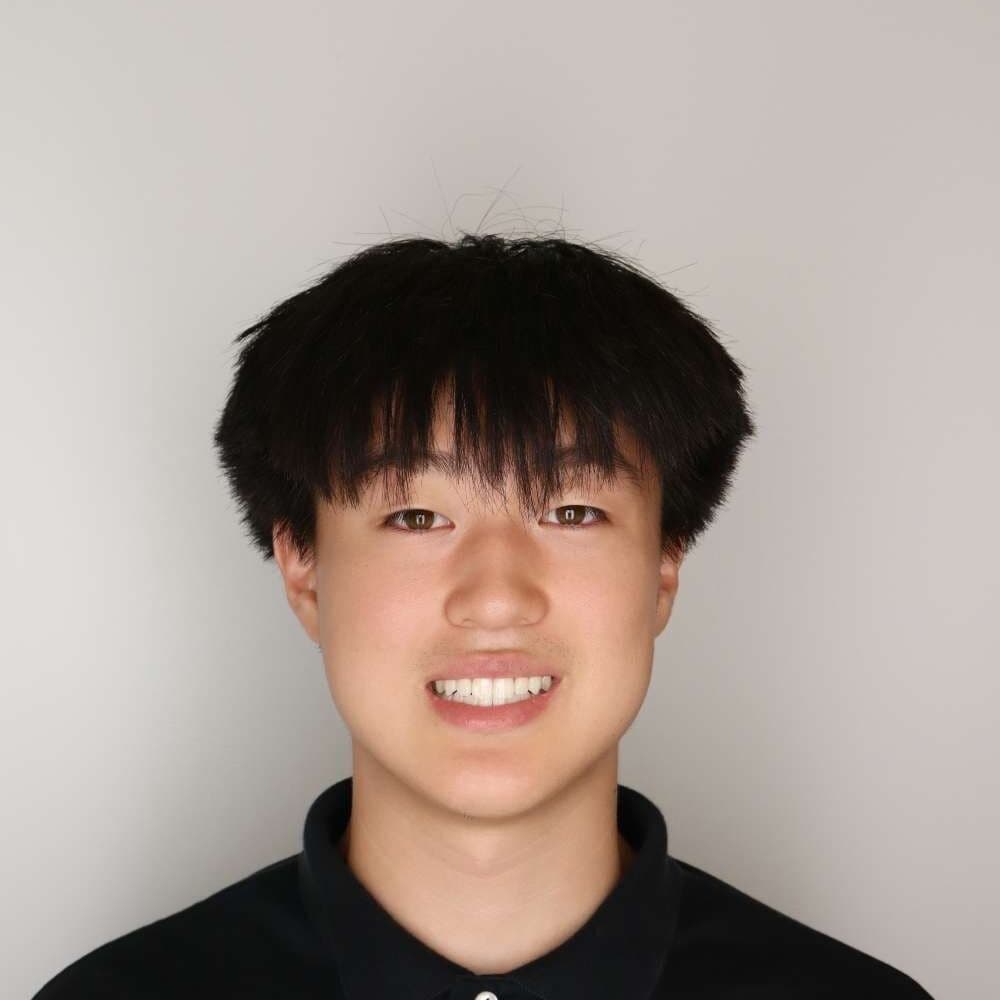
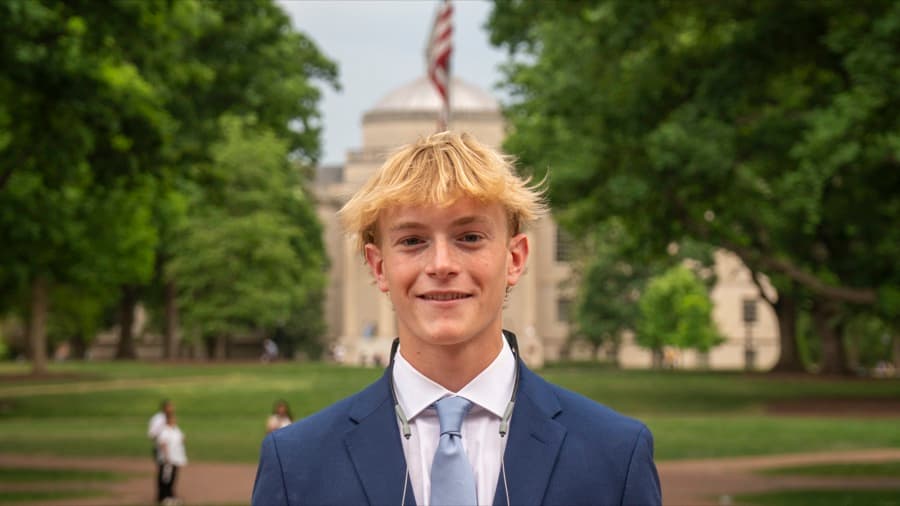
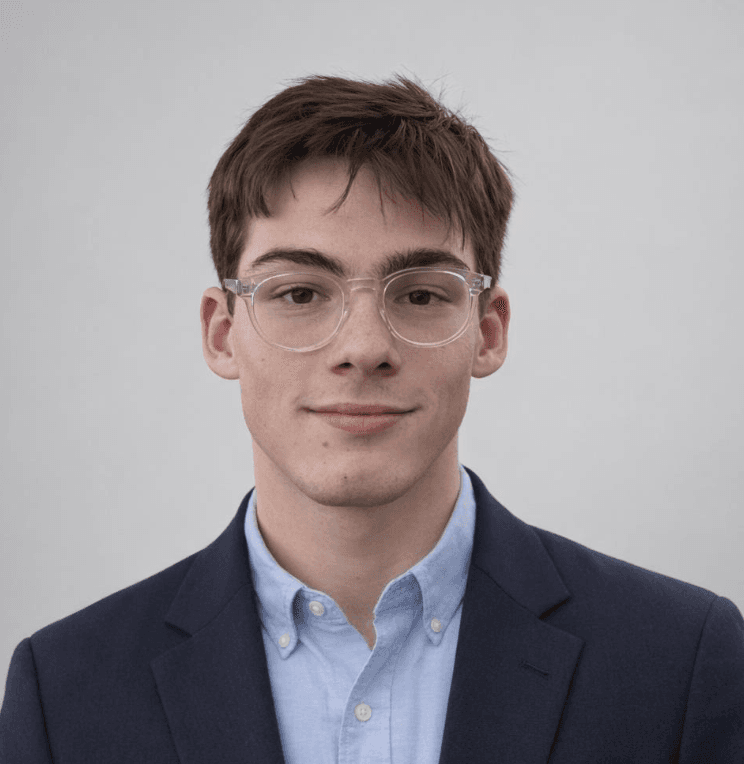
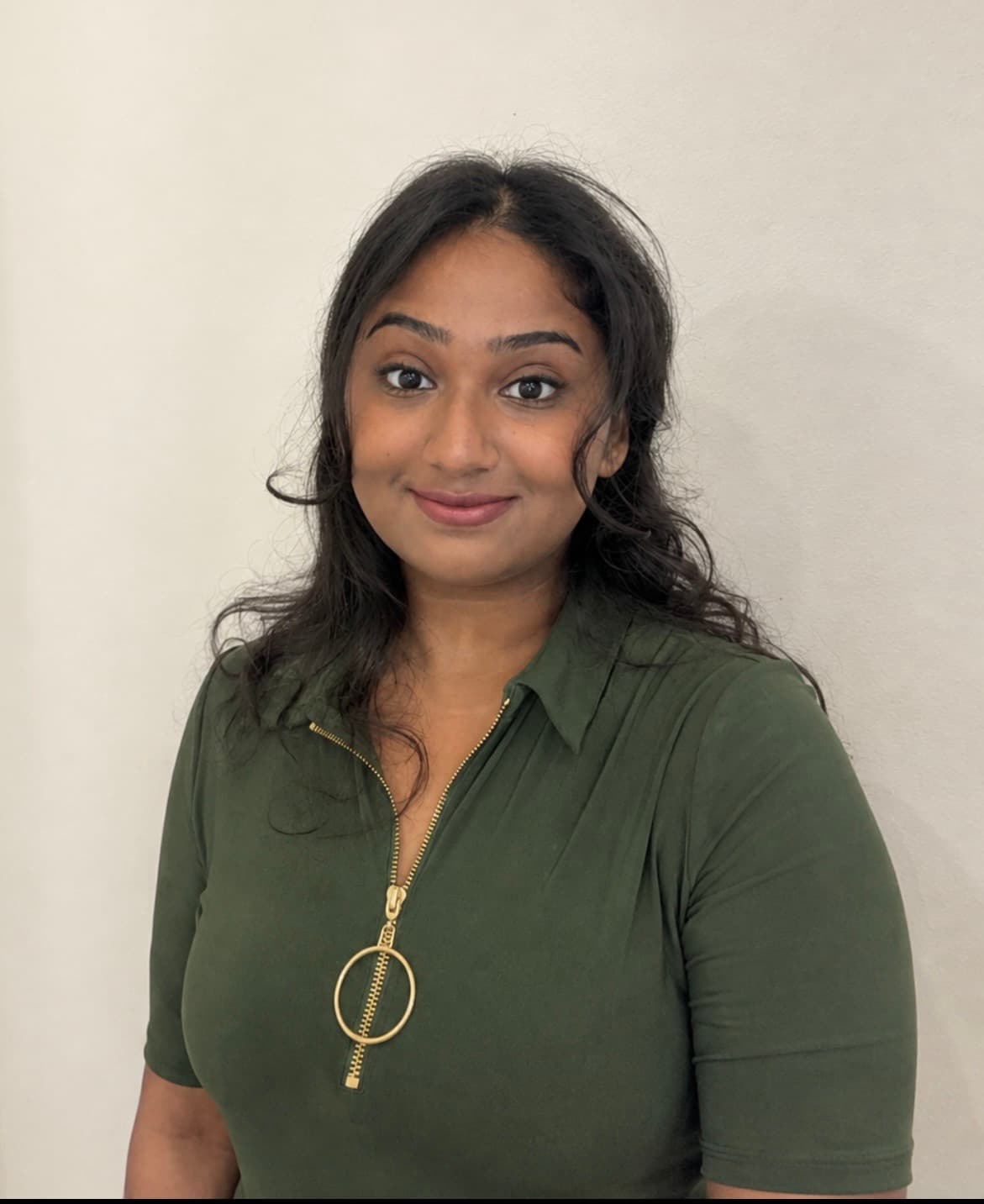
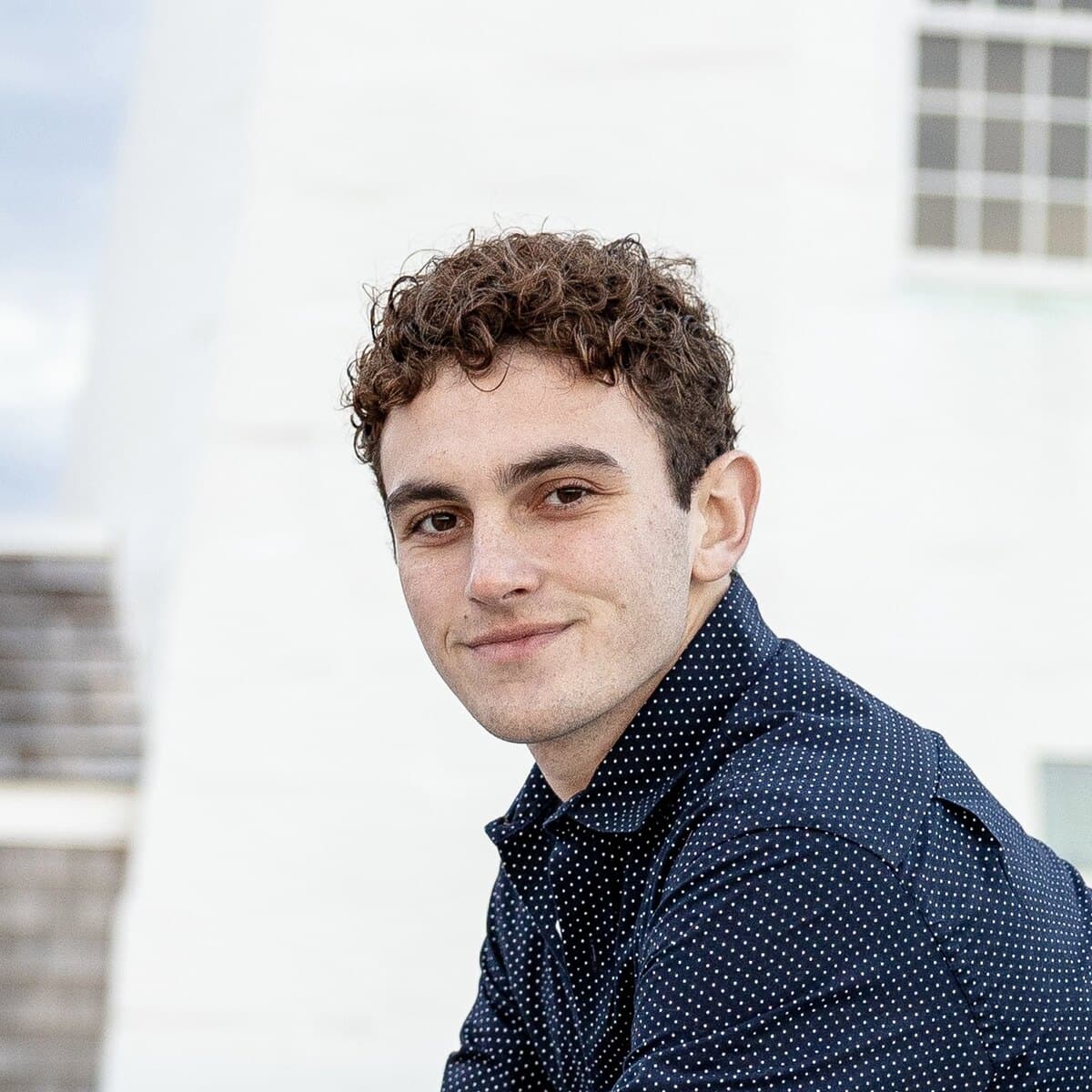
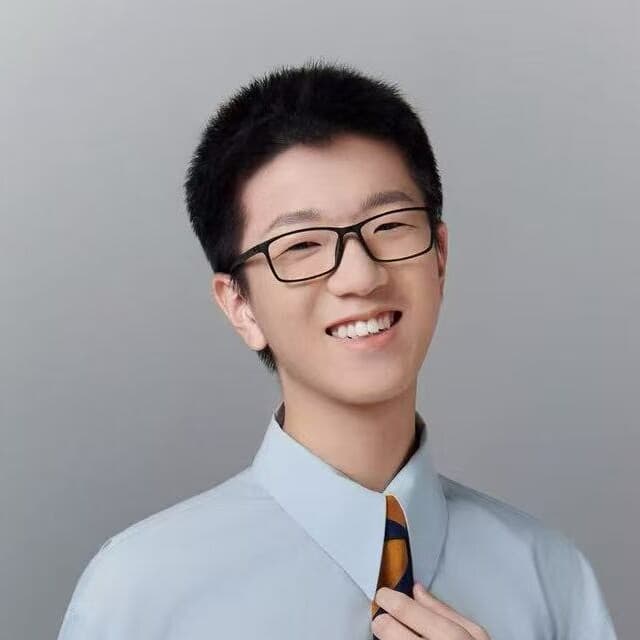
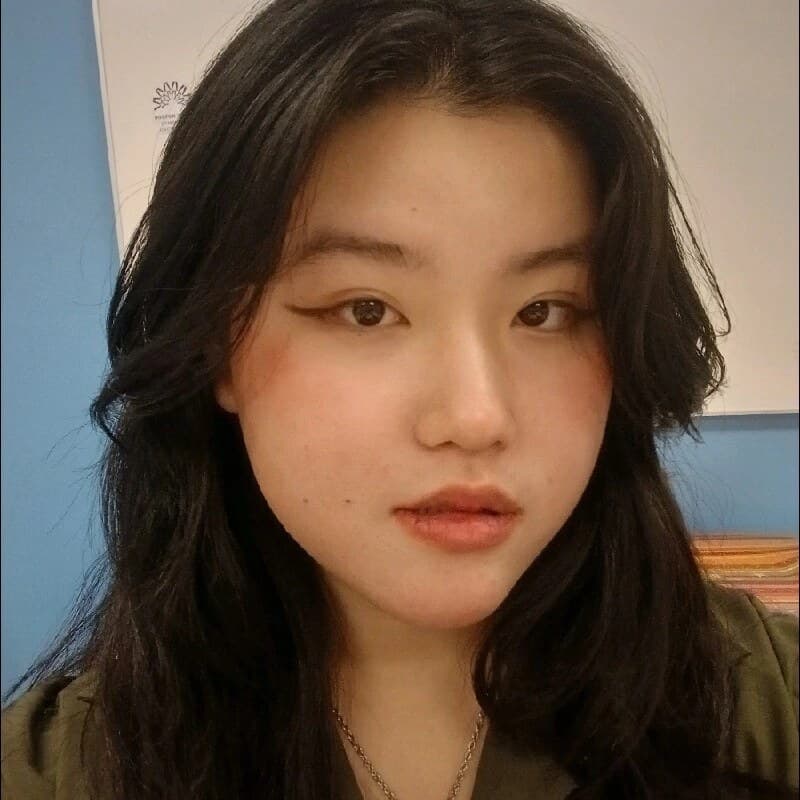
Weekly tech office hours hosted by the R&D Team.
Bring an idea, question, project, research interest, or curiosity.
Meet collaborators, explore technical possibilities, discuss feasibility, and plan next steps with the R&D Team.
You do not need BeAM certification to attend. If you are not certified, meet the team in the lobby outside the makerspace.
Come alone, bring friends, or bring a team. Bootcamp is a recurring space for innovators across UNC.
Murray BeAM Makerspace
The Idea / Pain Point Bank will be where E@C takes in ideas, pain points and opportunities - to keep them in the bank, to follow up with R&D Team support, or to explore them through Bootcamp or an Innovation Workshop. Until it opens, bring yours to Monday Bootcamp.
The Cofounder Network will be a private directory for current UNC students and verified alumni to find cofounders - by field, skill, interest or idea, and by whether someone has an idea of their own or wants to join another founder. It will live in FundMe, behind its sign-in.
Explore how a discipline, research area, industry, or community intersects with technology.
Five steps, from the field to the follow-up.
Example format - illustrative only, not an active project
A site or artifact may need a repeatable 3D record before conditions change.
Students can investigate photogrammetry, LiDAR, positioning rigs, field-data pipelines, 3D reconstruction, and digital preservation workflows.
Meet faculty and professionals, identify opportunities, and help your peers explore what technology can change.
Innovation Ambassadors represent a degree program they are earning. They meet students, faculty, researchers and industry professionals in their field, find its research needs, pain points and emerging technology, curate Innovation Workshops and recruit peers.
You do not need to be an engineer, have a startup idea, or know how to build a product.
Build experience in outreach, synthesis, leadership, interdisciplinary collaboration, and field-specific innovation.
Run by , our Director of ambassador program.
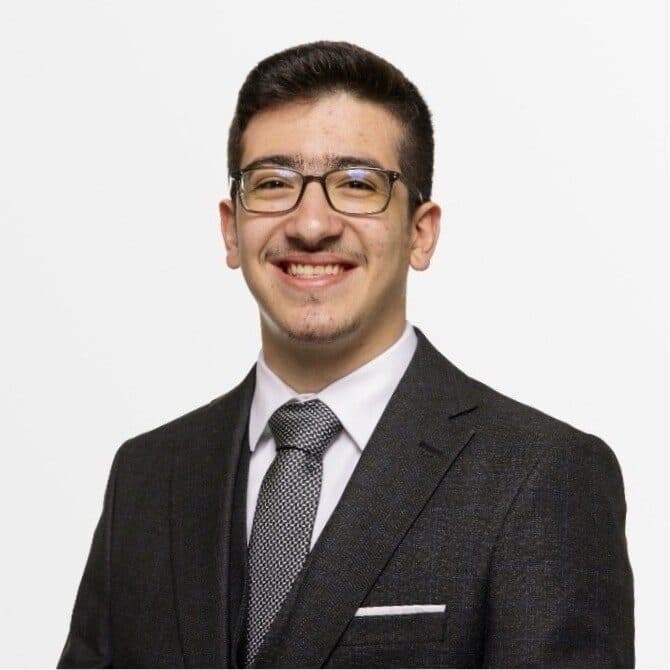

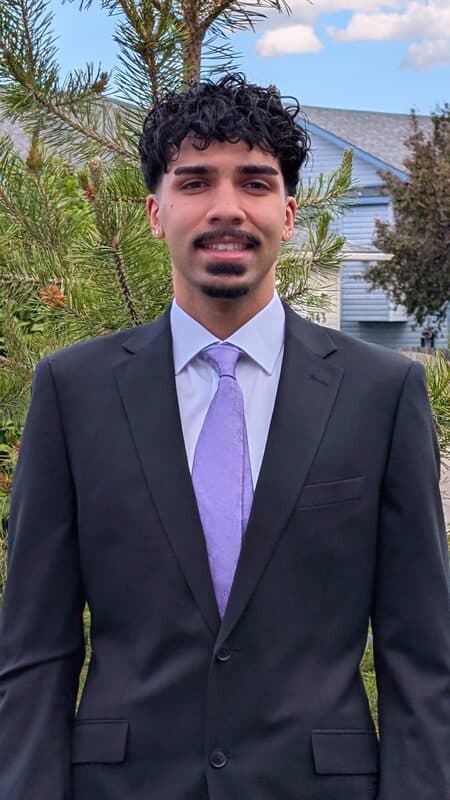

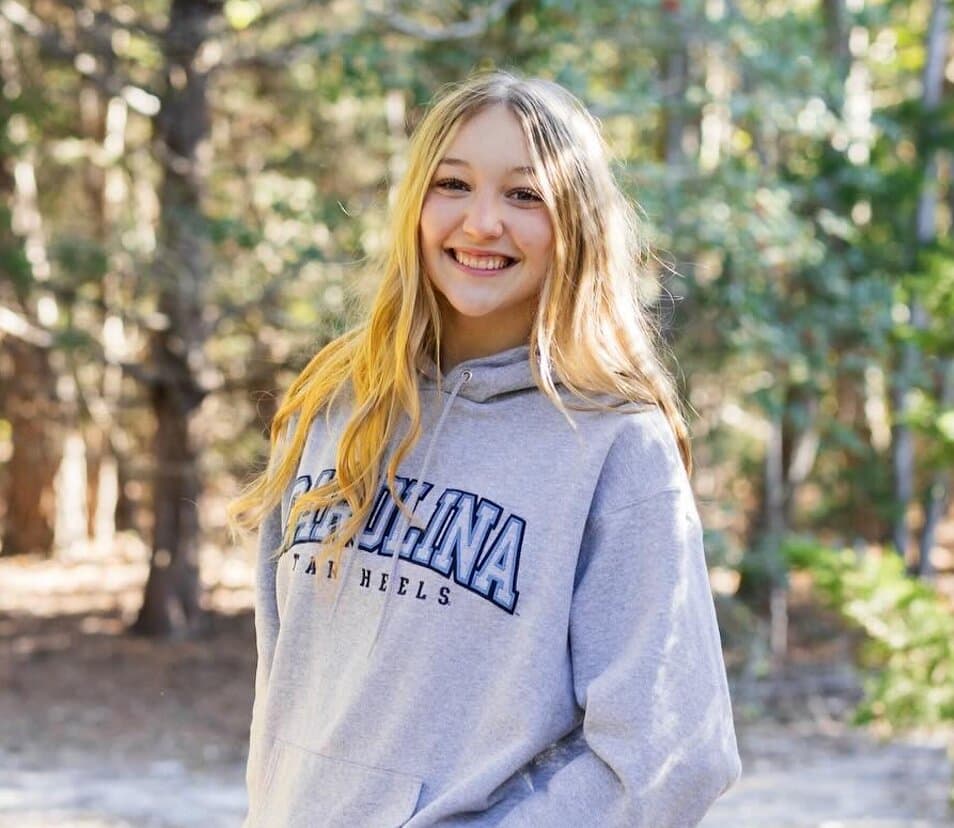
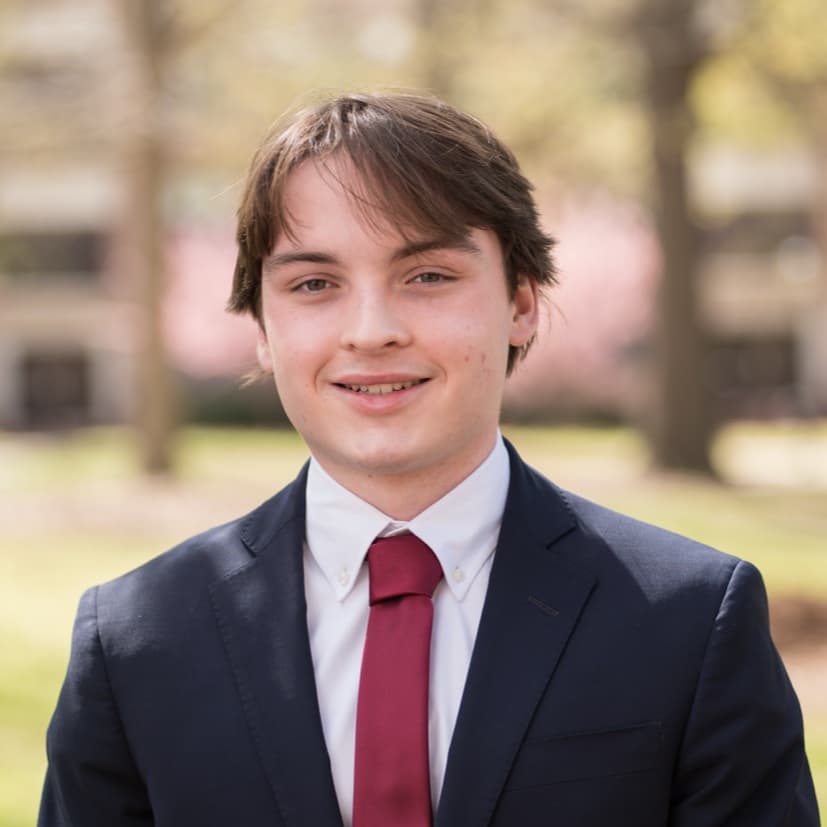
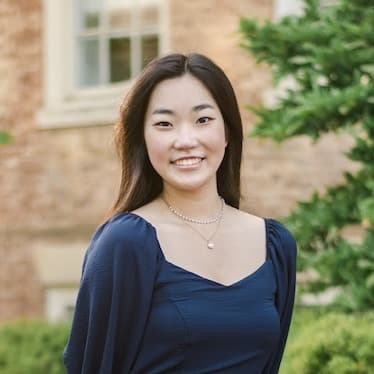
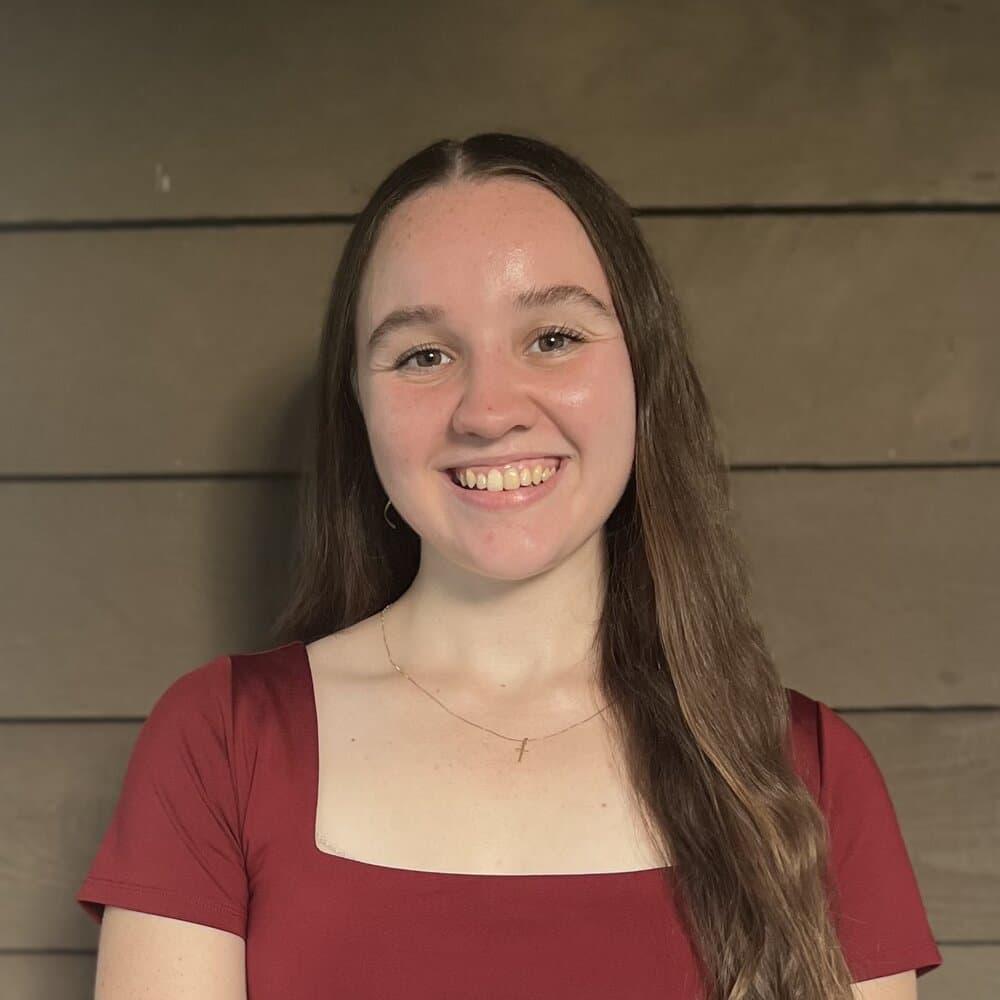
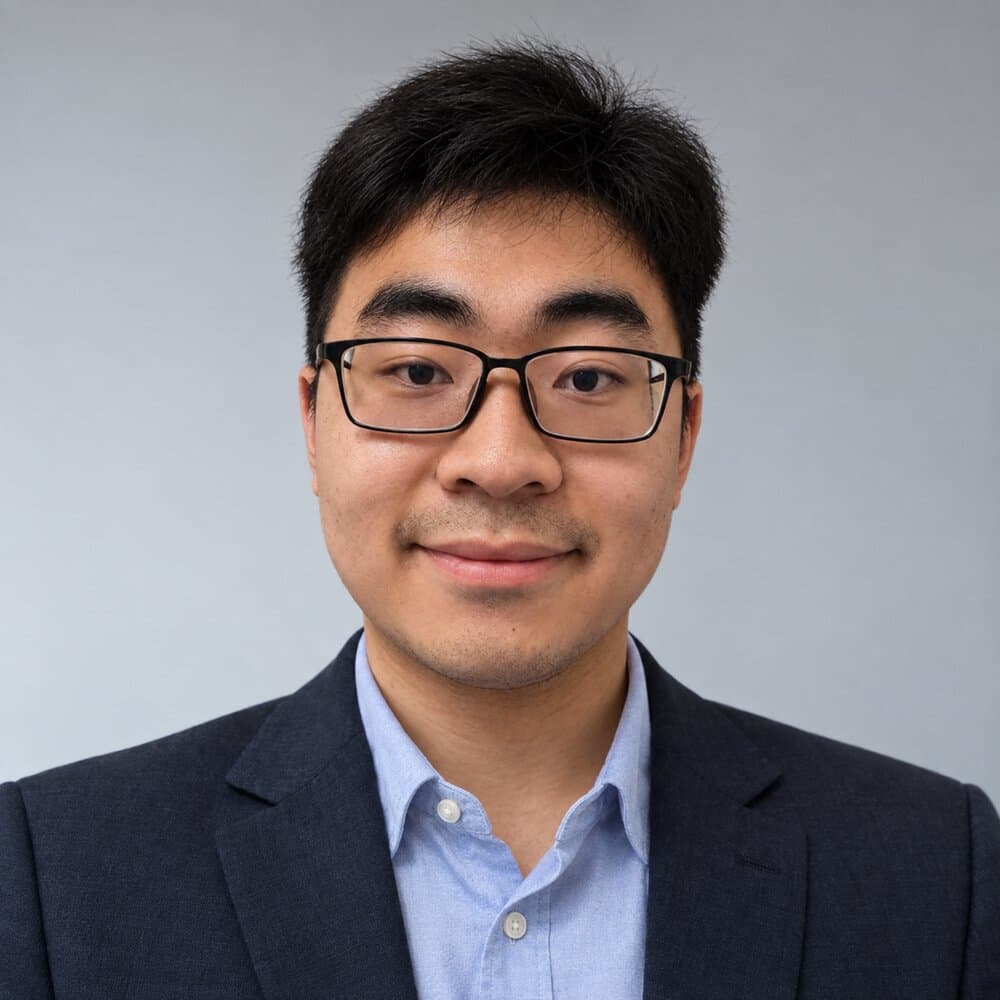

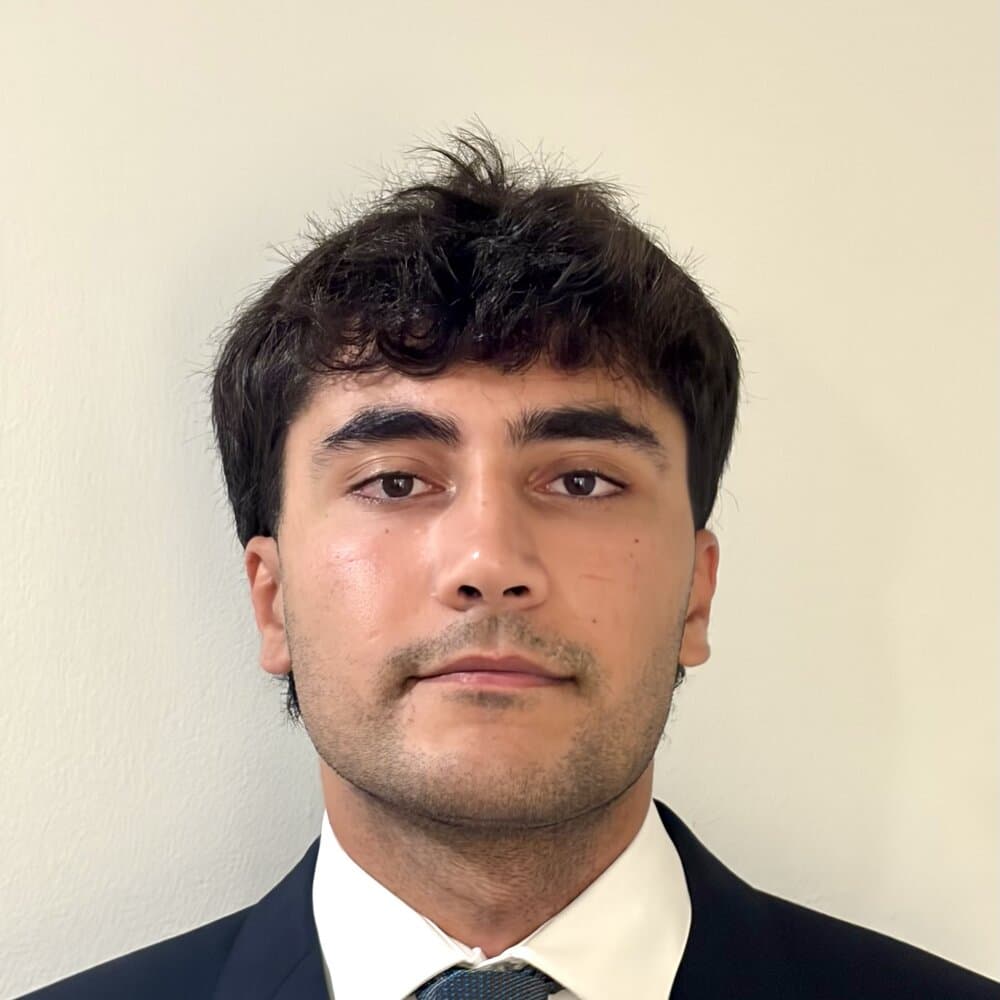
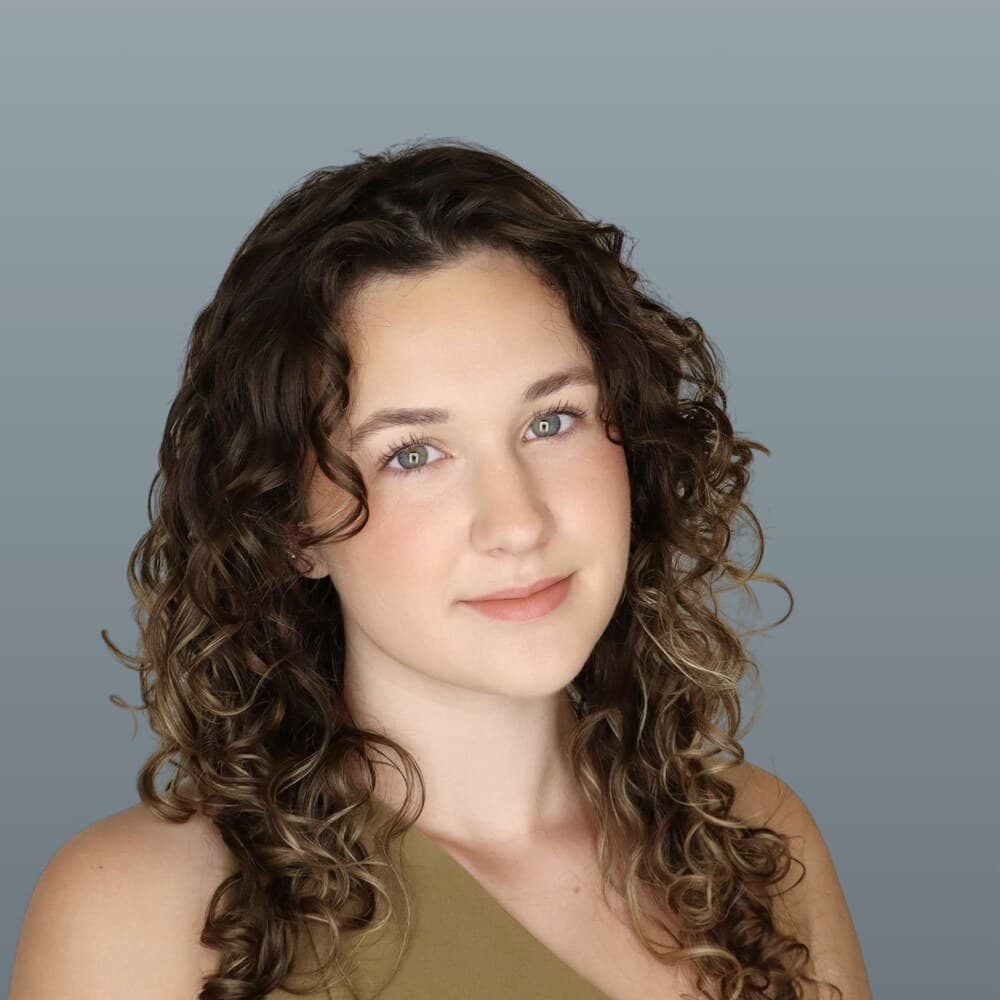
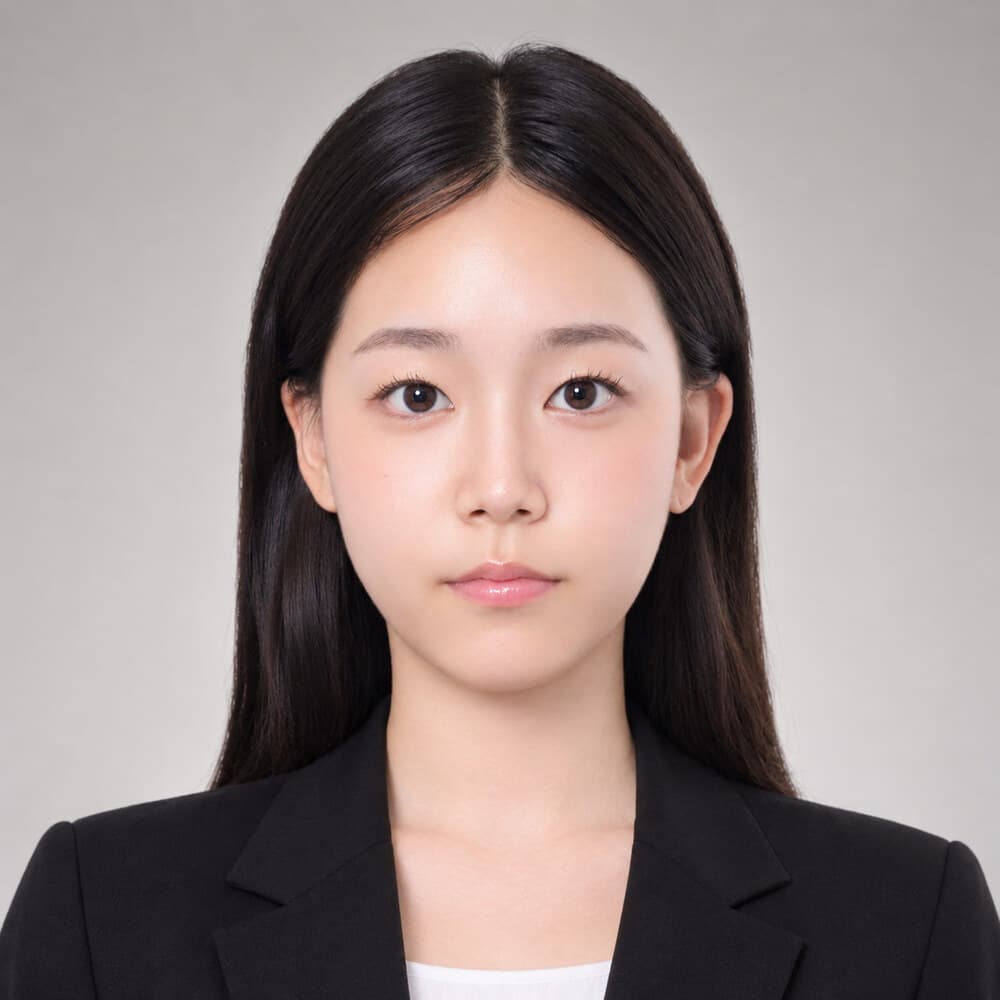
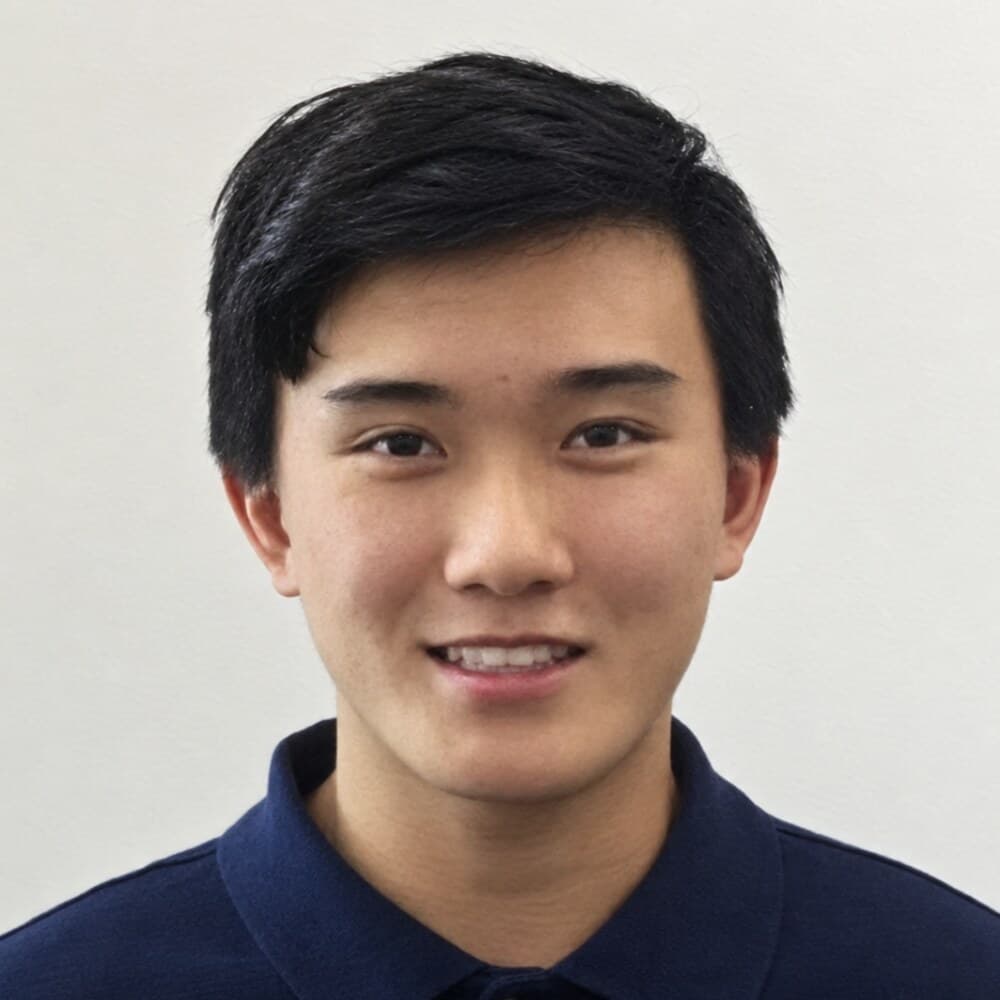
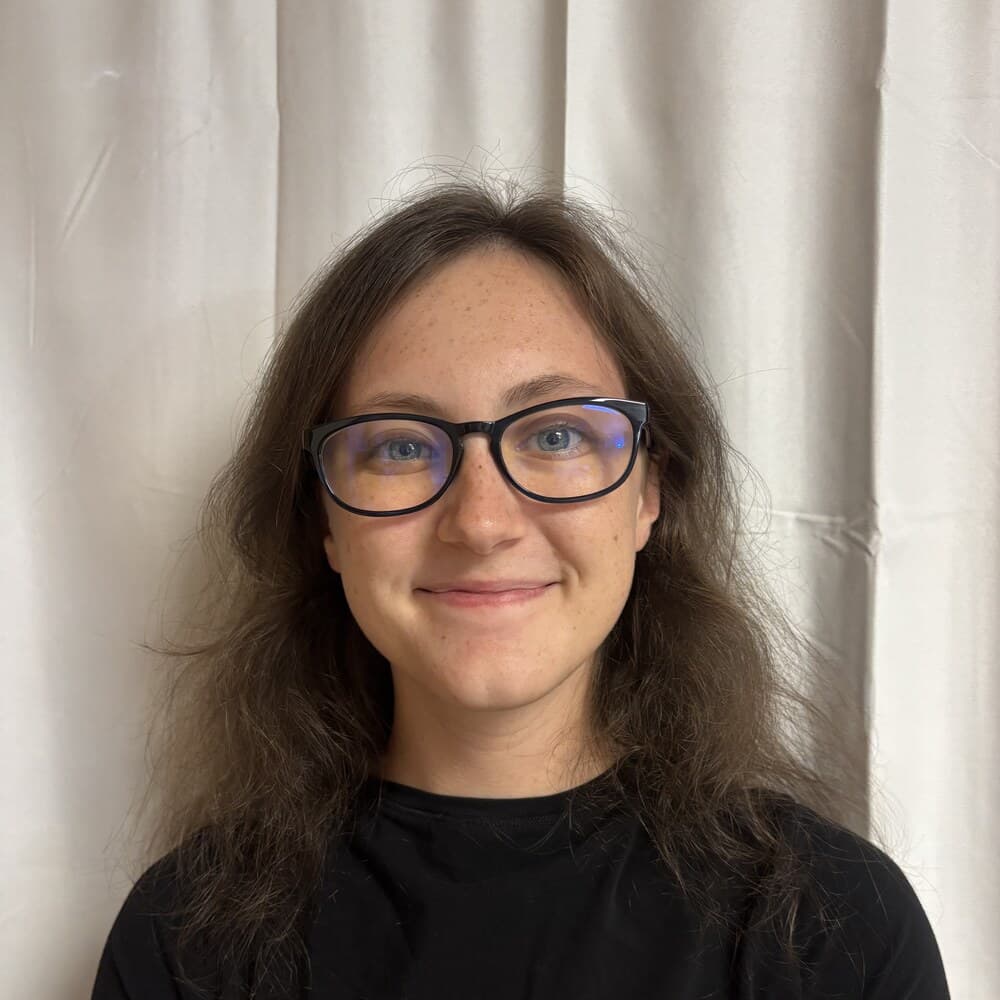
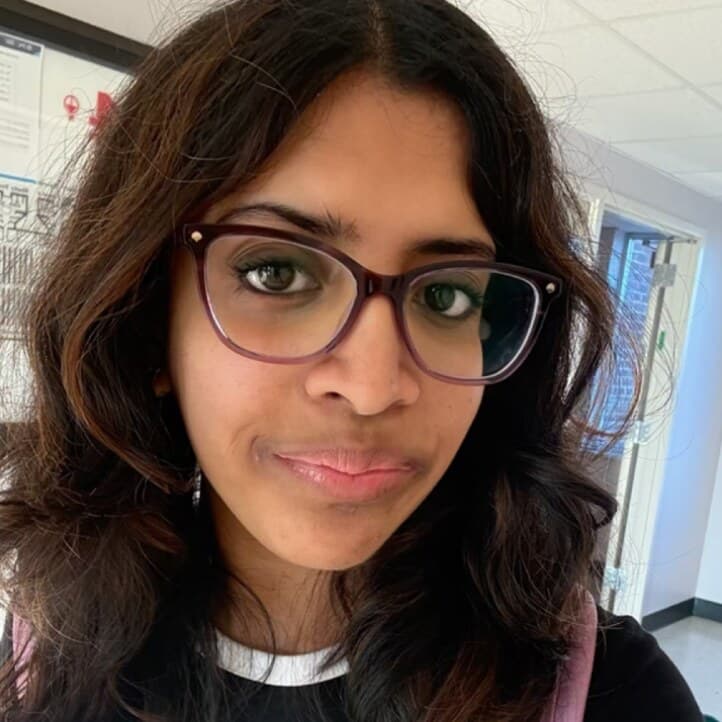
Build stronger research, technical, academic, and career pathways through E@C programming.
Run by , our Vice president for student development.
Resume and job-application support, interview preparation, recruiting events, company programming, site visits, technical up-skilling, and job or internship pathways.
Run by , our Director of professional development.
Starting research, PhD and graduate pathways, scientific literature, publishing, figures, posters, research communication, and AI for research.
Run by , our Director of research.
APS academic support, course and major pathways, peer support, academic discussion, and related academic opportunities.
Public-good programming, service opportunities, human-centered design, ethical implementation, and nonprofit or community collaborations.
We go to a local middle school and host its science days for them.
Nonprofits: request volunteers or a co-hosted event here. Technical community builds go through R&D Support instead.
Run by , our Director of philanthropy.
Focused technical, strategic, and network support for selected student ventures.
Start with Innovation Workshops, Bootcamp, R&D collaboration, field insights, or the Cofounder Network. Clarify the problem, strengthen the team, develop technical direction, and plan a prototype or next test. Move toward cohort support, FundMe, mentors, the Consultancy Board, and future Demo Day programming.
Run by , our Vice president of E-@Ccelerator.
Six stages, from campus capability to results that compound.
UNC disciplines, research, public-service pathways, and innovation capacity.
Students, Ambassadors, faculty, researchers, and partners surface needs and opportunities.
Innovation Workshops and Bootcamp explore research, technology, and industry context.
Students share expertise and develop technical skills across disciplines.
R&D, cohort support, mentors, FundMe, and collaborators move next steps forward.
Students build stronger technical portfolios, practical skills, research fluency, interdisciplinary experience, and professional networks. New collaborators see stronger student work and contribute new opportunities.